
 by
by Have you ever bought something online and wondered what actually happens between the moment you click “Pay Now” and the moment your order goes through? There’s a lot going on behind the scenes, and a big part of it is something called a payment gateway.
Let’s break it down in plain, everyday language.
Think of It Like a Cashier at a Store
Imagine you’re at a physical store, buying a shirt. You hand your card to the cashier. The cashier swipes it, waits a second, and then tells you “approved” or “declined.” That whole exchange happens in seconds, but a lot is happening behind that counter.
A payment gateway does the same job, just online. It’s the tool that takes your payment details (like your card number), checks with your bank to see if you actually have the money, and then tells the website “yes, go ahead” or “sorry, this didn’t work.”
So in short, a payment gateway is the digital cashier for online purchases.
Why Do Websites Need One?
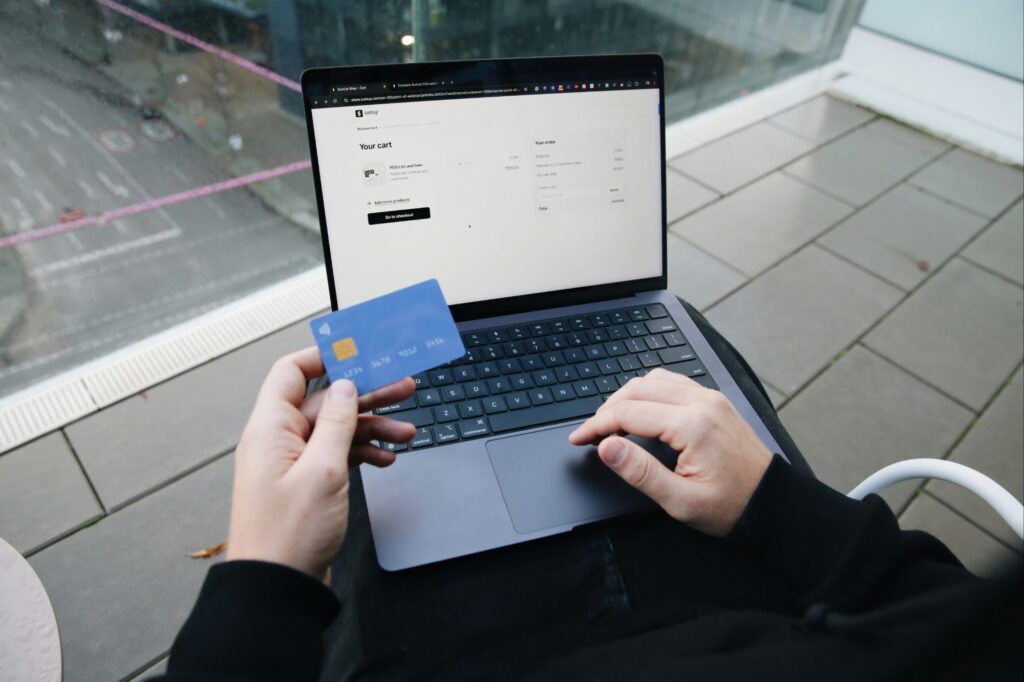
Websites can’t just take your card number and directly ask your bank for money. There needs to be a secure middleman that handles this safely. That’s where the payment gateway comes in.
Here’s what it does, step by step:
- You enter your card details on a website and hit “pay.”
- The payment gateway takes that information and encrypts it, meaning it scrambles it so nobody can steal it while it travels across the internet.
- It sends the encrypted details to the bank or card network to check if the payment is valid.
- The bank sends back a response, either “approved” or “declined.”
- The payment gateway passes that answer back to the website, and you see a confirmation or an error message.
All of this usually takes just a couple of seconds, even though it sounds like a lot of steps.
Is It the Same as a Payment Processor?
This is where people often get confused, and it’s a fair mix-up. A payment gateway and a payment processor work closely together, but they aren’t quite the same thing.
The payment gateway is more like the messenger. It collects your payment info and passes it along securely.
The payment processor is more like the worker behind the scenes. It actually handles moving the money from your bank to the seller’s bank.
You can think of the gateway as the front desk and the processor as the back office. Both are needed to complete a transaction, but they play different roles.
Why Should You Care About This as a Shopper?
You might be thinking, “okay, but why does this matter to me?” Fair question. Here’s why it’s worth knowing a little about payment gateways.
- Safety: A good payment gateway keeps your card details protected. This is why you’ll often see a little padlock icon or “https” in the address bar when you’re checking out. That’s a sign your payment gateway is doing its job.
- Speed: Ever notice how fast most online payments go through? That quick response is thanks to the gateway doing its checks almost instantly.
- Trust: When a website uses a well known payment gateway, it usually means they take security seriously. That can be a good sign before you decide to buy from them.
Why Should You Care About This as a Business Owner?
If you’re running a business, or thinking about starting one, understanding payment gateways matters even more.
Choosing the right one can affect:
- How smooth the checkout process feels for your customers
- How much you pay in transaction fees
- Which payment methods you can accept, like cards, digital wallets, or bank transfers
- How well your business is protected from fraud
There are many payment gateway providers out there, and each one comes with its own pricing, features, and level of customer support. Picking the right fit really depends on the size of your business and what kind of payments you expect to handle.
A Quick Real Life Example
Let’s say you run a small online store selling candles. A customer adds a candle to their cart and goes to checkout. They type in their card number and hit “Pay.”
Behind the scenes, the payment gateway grabs that card info, locks it up securely, and sends it off to check with the customer’s bank. Within a couple of seconds, the bank says “yes, this is good,” and the gateway lets your store know the payment went through. Your customer sees a “Thank you for your order” message, and you get notified that a candle just sold.
Without a payment gateway, none of that quick, secure exchange would be possible.
The Bottom Line
A payment gateway is simply the tool that makes it possible to pay for things online safely and quickly. It checks your payment details, talks to your bank, and gives the green light or red light in just a few seconds.
Whether you’re shopping online or running your own store, it’s nice to understand what’s happening behind that “Pay Now” button. It’s not magic, just a helpful bit of technology working quietly in the background to keep your money and information safe.
